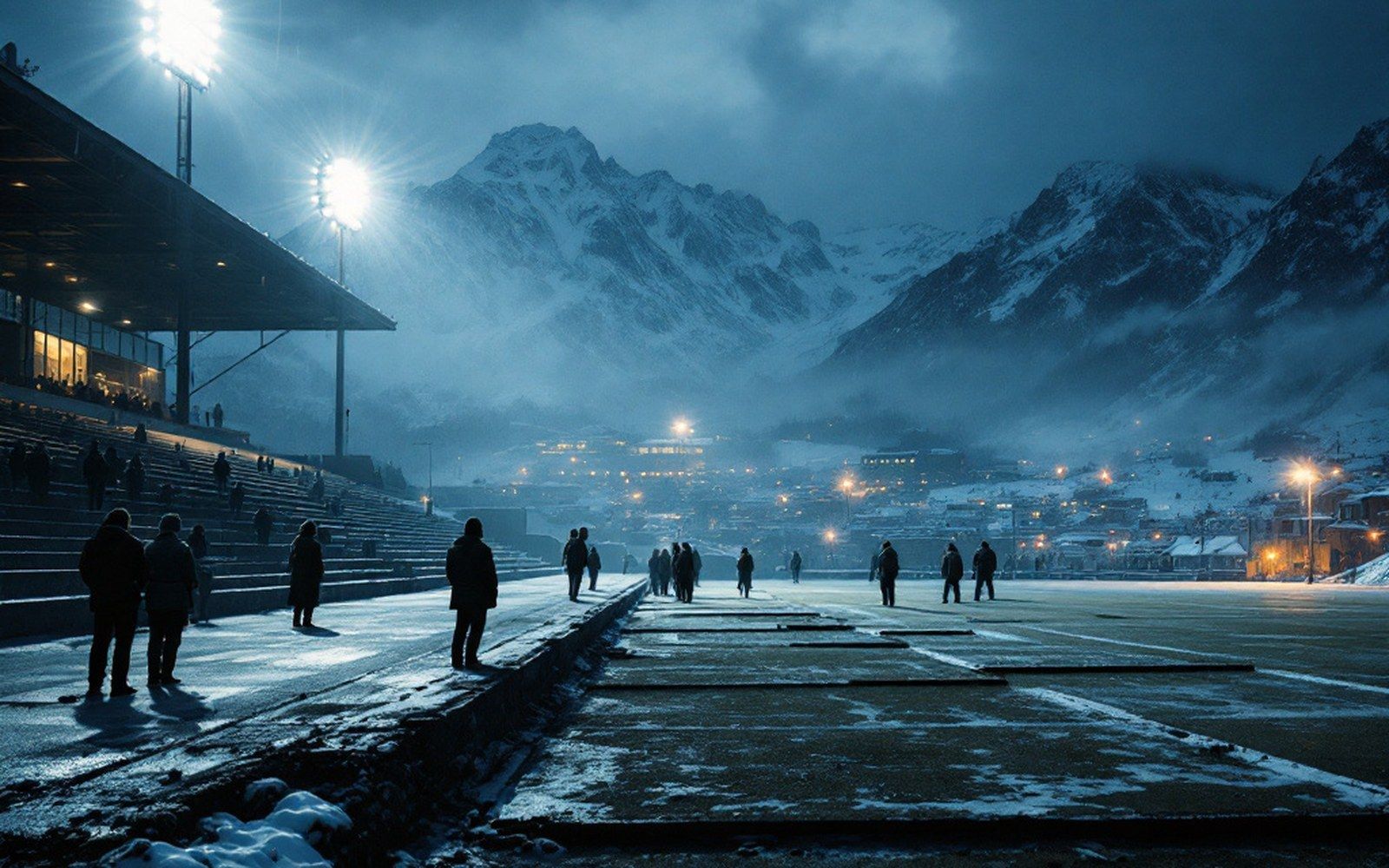
Going down is a budget event before it is a sporting one
Spartak Nalchik’s 2012 relegation was settled in the accounts before the season started. That is not cynicism — it is how the division works at that budget level.

The arithmetic preceded the result
By the time the 2012 Russian Premier League campaign began, Spartak Nalchik had already shed several of the players who had made the previous few seasons viable. The squad that had finished sixth in 2010 — an achievement still discussed in disbelief across the division — was not rebuilt but gradually liquidated. Key departures were not replaced at matching quality because the republic’s budget for professional football did not stretch to it. The Kabardino-Balkaria government was the club’s primary financial base, and regional government funding for sport is sensitive to political and economic cycles in ways that a private owner’s spending may not be. When the cycle tightened, the squad thinned.
This is the structural condition of a promoted provincial side in the Russian Premier League, where the revenue gap between the league’s funded clubs and its underfunded ones is not gradual but abrupt. Clubs backed by federal state corporations or oligarch capital operate on budgets an order of magnitude larger than a republic government can sustain across multiple seasons. Spartak Nalchik’s promotion in 2006 was an achievement of coaching and cohesion; staying up required a level of financial top-up that the club received for a while and then did not.
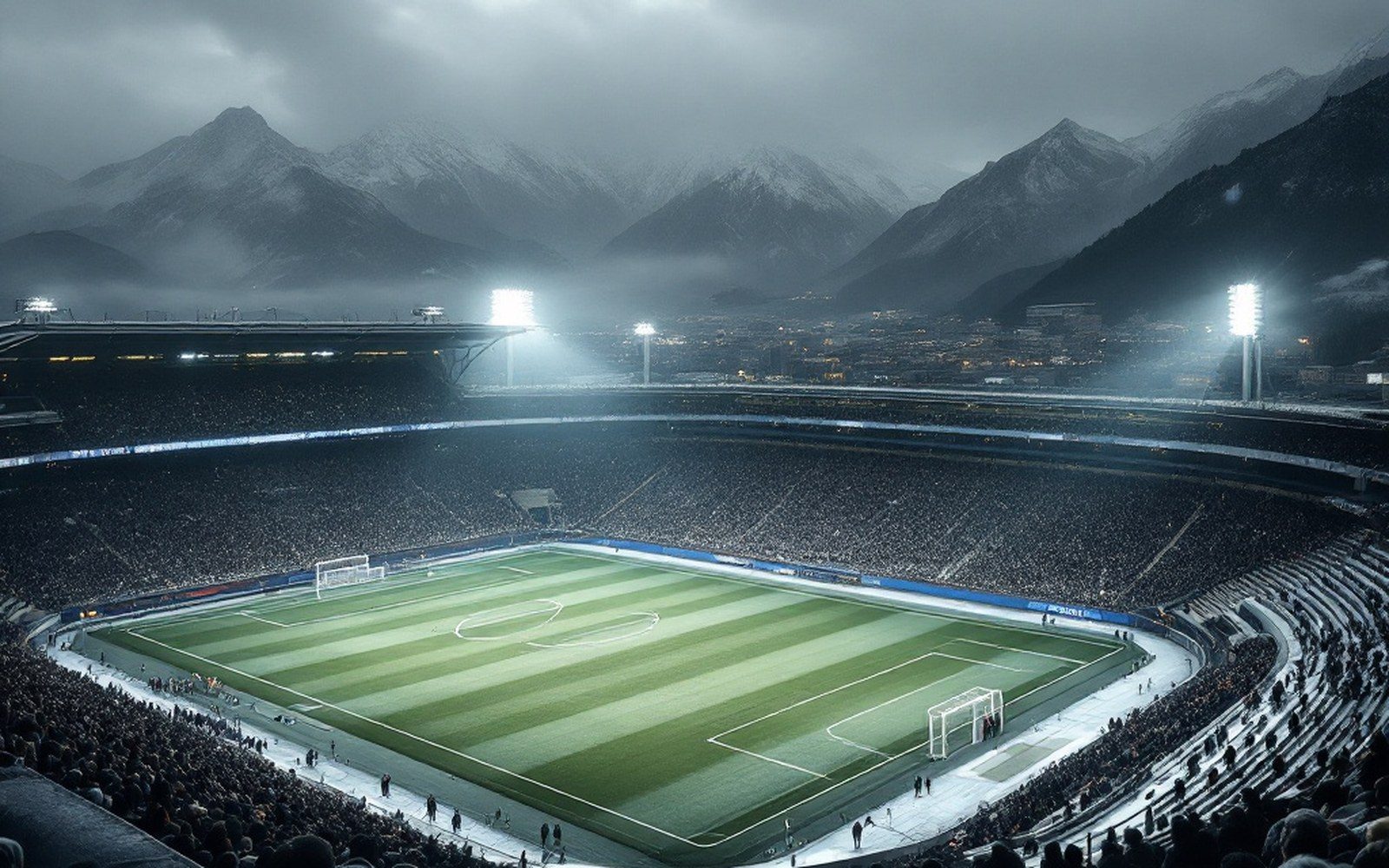
What the table recorded
The 2012 season confirmed what the squad audit had already suggested. Nalchik finished at the bottom of the Russian Premier League table, and their points tally reflected a side that lacked the depth to absorb injuries, suspensions, or a run of difficult fixtures. The winter break, which the Russian football calendar builds in to account for the conditions that a ground like Spartak Stadium faces in a mountain republic, had not been used to bring in reinforcements of consequence. Squads that use that window to strengthen do so because the money is there. It was not.
The fixtures against Alania Vladikavkaz, Anzhi Makhachkala, and Terek Grozny carried the usual regional weight — a North Caucasus club meeting its neighbours in the top flight is not a neutral event — but by 2012 Anzhi were spending at European levels, backed by Suleyman Kerimov, and the gap in resources across those particular derbies had become almost abstract. Spartak were competitive in neither payroll nor squad depth, and the results in those fixtures and others reflected it.
Relegation was confirmed with enough matches still remaining to make the mathematics plain. There was no last-day drama, no play-off rescue. The club went down cleanly, which is perhaps the most honest version of the outcome.
Six seasons, not one bad one
The proper frame for 2012 is not failure but duration. Spartak Nalchik spent six seasons in the Russian Premier League across their top-flight years, a run that would represent success for almost any club operating from a budget of this kind in a division this competitive. The Russian Premier League in this period was not a division where small-republic clubs found natural equilibrium. They came up, competed as long as their funding held, and came down when it did not. Nalchik conformed to that pattern, but they also bent it — sixth place in 2010 is not what the pattern predicts.
Relegation in 2012 did not dissolve what the seasons before it had built in terms of local identity and regional standing. A club from Nalchik reaching and sustaining the top flight of Russian football — through the logistical difficulty of travel across the country, through the pitch and climate conditions of a mountain republic, through the funding constraints that apply to a regional government side — is a documented fact of the era. The accounts closed on those six seasons with the club below the line. The football had often said otherwise.
Reference
The material below is drawn from the same sources as the piece above, set out as a summary rather than as prose.