The fixture that carried more than three points
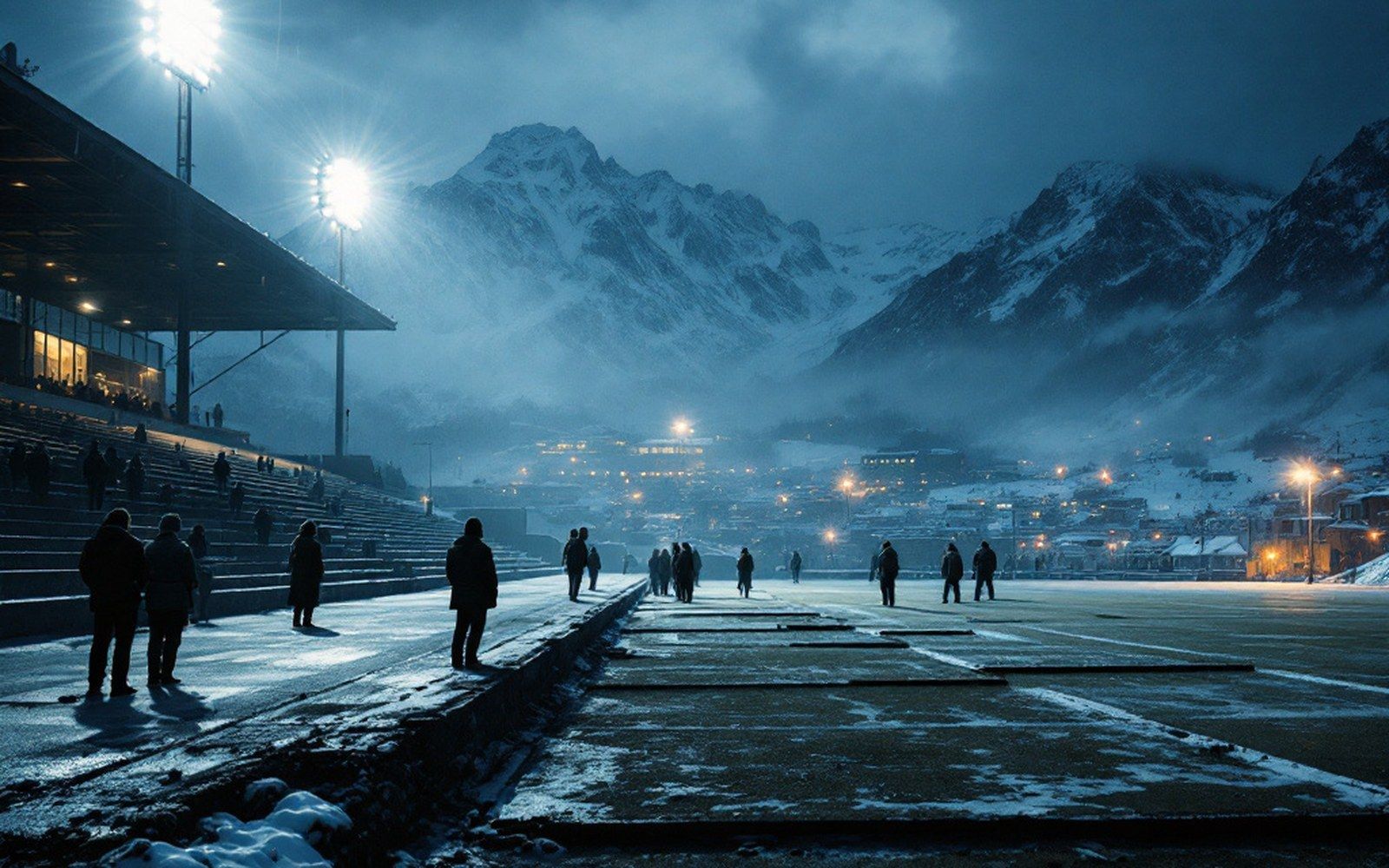
When Spartak Nalchik and Terek Grozny met in the Premier League, the match was reported differently in the North Caucasus than anywhere else in Russia.
Two clubs from a region the rest of Russia barely followed
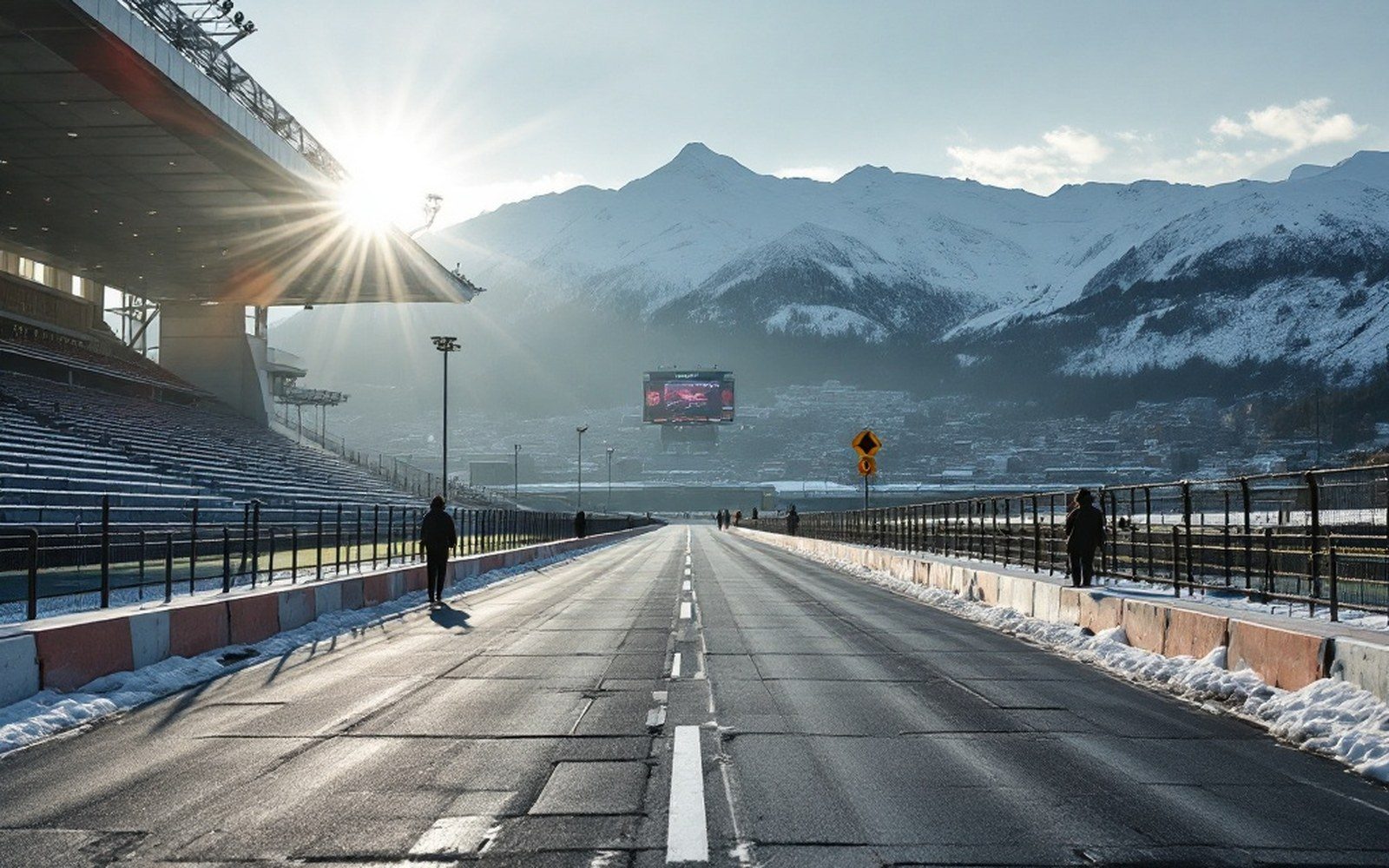
Terek Grozny’s path to the Russian Premier League was nothing like Nalchik’s. The club had existed through two Chechen wars that flattened the city around it, and its return to top-flight football was freighted with political significance the league table could not hold. By the time both clubs were competing in the Premier League in the late 2000s, Terek carried the explicit backing of the Chechen administration in a way that set it apart from almost every other provincial club in Russia. The money behind Terek was not complicated to explain: it was state money, and it came with an audience in Grozny for whom a winning club meant something beyond sport.
Spartak Nalchik came from a different situation entirely. Kabardino-Balkaria is a republic that had spent years on modest regional budgets, and the club’s promotion in 2006 was achieved without the kind of institutional support Terek could count on. What the two clubs shared was geography — both were in the North Caucasus, both played in a Russian league whose television audience was overwhelmingly concentrated in Moscow and St Petersburg, and both understood that fixtures against each other were read back home with an attention that fixtures against Zenit or CSKA simply did not generate.
What the match meant, and to whom
When the clubs met in the Premier League, the regional press treated it as a derby in everything but the strict geographical sense. The actual distance between Nalchik and Grozny is a long road journey through mountain terrain — close enough that the match felt local, far enough that the journey was genuinely difficult for travelling supporters. Alania Vladikavkaz, the neighbours who had already won the Russian title in 1995, sat geographically between them, and that triangulation gave the North Caucasus section of the league table a coherence of its own.
What made the Nalchik-Terek fixture feel weighted was the history both clubs were representatives of, whether or not that history was ever spoken aloud in post-match interviews. Terek Grozny had won the Russian Cup in 2004 — a result that was widely understood as a political as much as a sporting event — and by 2009 the club was drawing crowds back to its home ground in a city still visibly scarred from the 1990s conflicts. Spartak Nalchik was operating on a budget that looked improbable for a top-flight side, and the contrast in resources between the two clubs was stark enough to shape the tactical terms of every meeting.
Nalchik’s approach in the Premier League years was characteristically compact — hard to break down, rarely ambitious in possession, reliant on organisation over individual quality. Against Terek, who by the late 2000s were spending at a level that small clubs could not match, that discipline was not just a style but a necessity. The results across their Premier League meetings were closely contested, which, given the resource gap, represented a kind of achievement for the Nalchik side that the bare scoreline did not fully convey.
None of this was reducible to ethnic or political hostility in the way that some European derbies are characterised. Supporters of both clubs understood the shared condition of being North Caucasian clubs in a league run from and for a different part of Russia. The fixture was freighted, yes — but with the particular weight of two over-scrutinised, geographically remote clubs trying to hold their place in a structure that had not been designed with them in mind. That the matches were close, that they were watched carefully in the region, and that they meant more than the points — that much was clear to everyone covering football between the mountains and the Volga.
Reference
The material below is drawn from the same sources as the piece above, set out as a summary rather than as prose.