Grass Does Not Grow to a Fixture List
Why Spartak Nalchik’s push for an artificial surface was, above all, a groundskeeping argument.
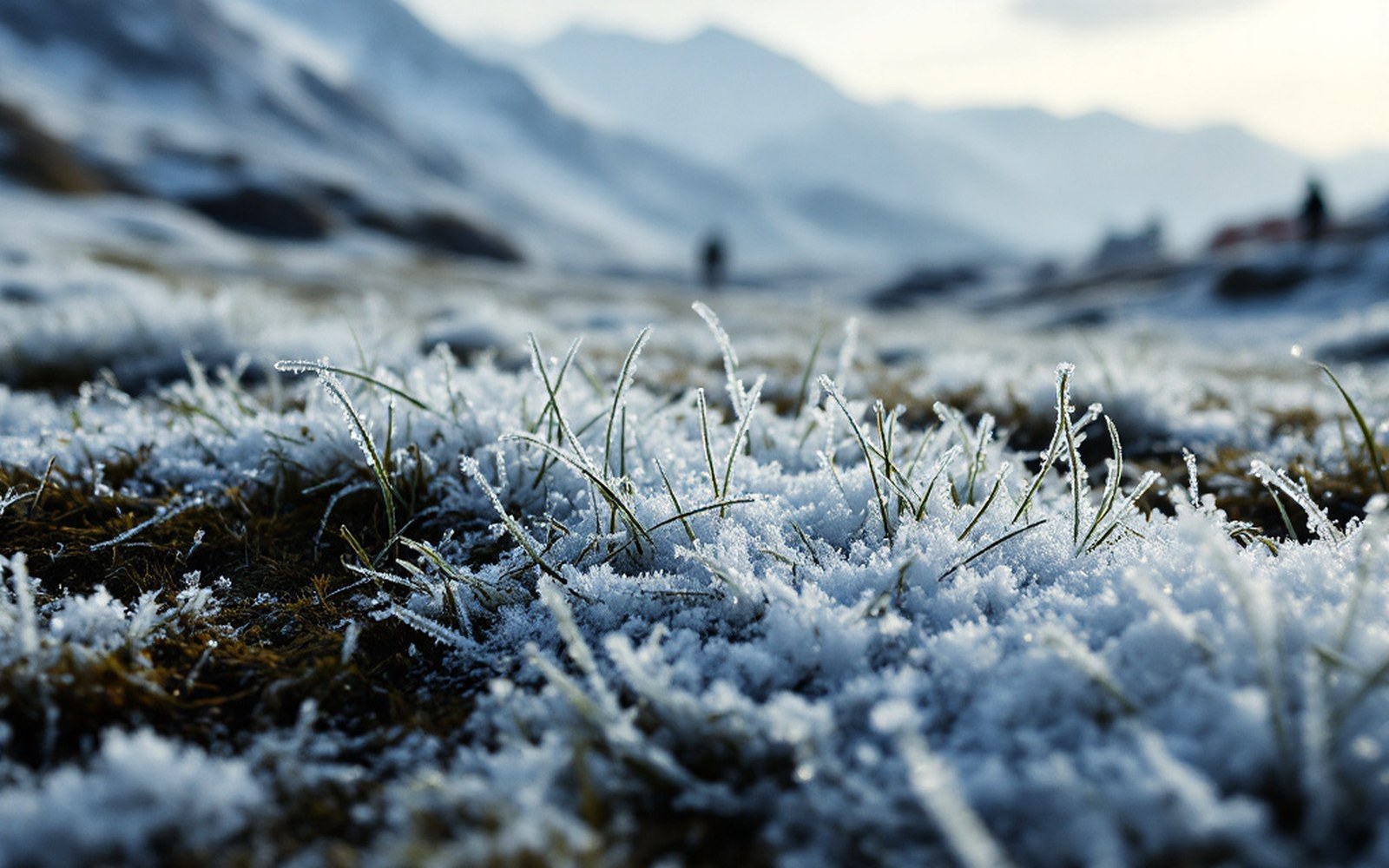
The problem is botanical before it is political
A football pitch is an agricultural system. Sixteen to twenty-two players, one referee, a ball, and ninety minutes of lateral stress will strip a grass surface faster than it can recover, and the rate of recovery is governed by temperature, light and season. In Nalchik, at around 510 metres above sea level with the Caucasus range rising sharply to the south, those variables are unkind. The growing season is real but short; the spring that the Russian Premier League’s fixture list assumes arrives later here than it does in Moscow or Krasnodar. March and April, when the schedule restarts after the winter break, are precisely the months in which a warm-season grass sown in Kabardino-Balkaria is doing nothing useful at all.
This is not a complaint. It is a constraint, and the clubs that had to manage it — Spartak Nalchik among them, but also Alania Vladikavkaz across the border in North Ossetia — made the argument to the Russian Football Union on agronomic grounds before they made it on financial ones. The surface rots under foot traffic it cannot outgrow. The choice, practically, is a pitch that degrades match by match through the early fixtures, or a surface that does not depend on photosynthesis to hold its structure.
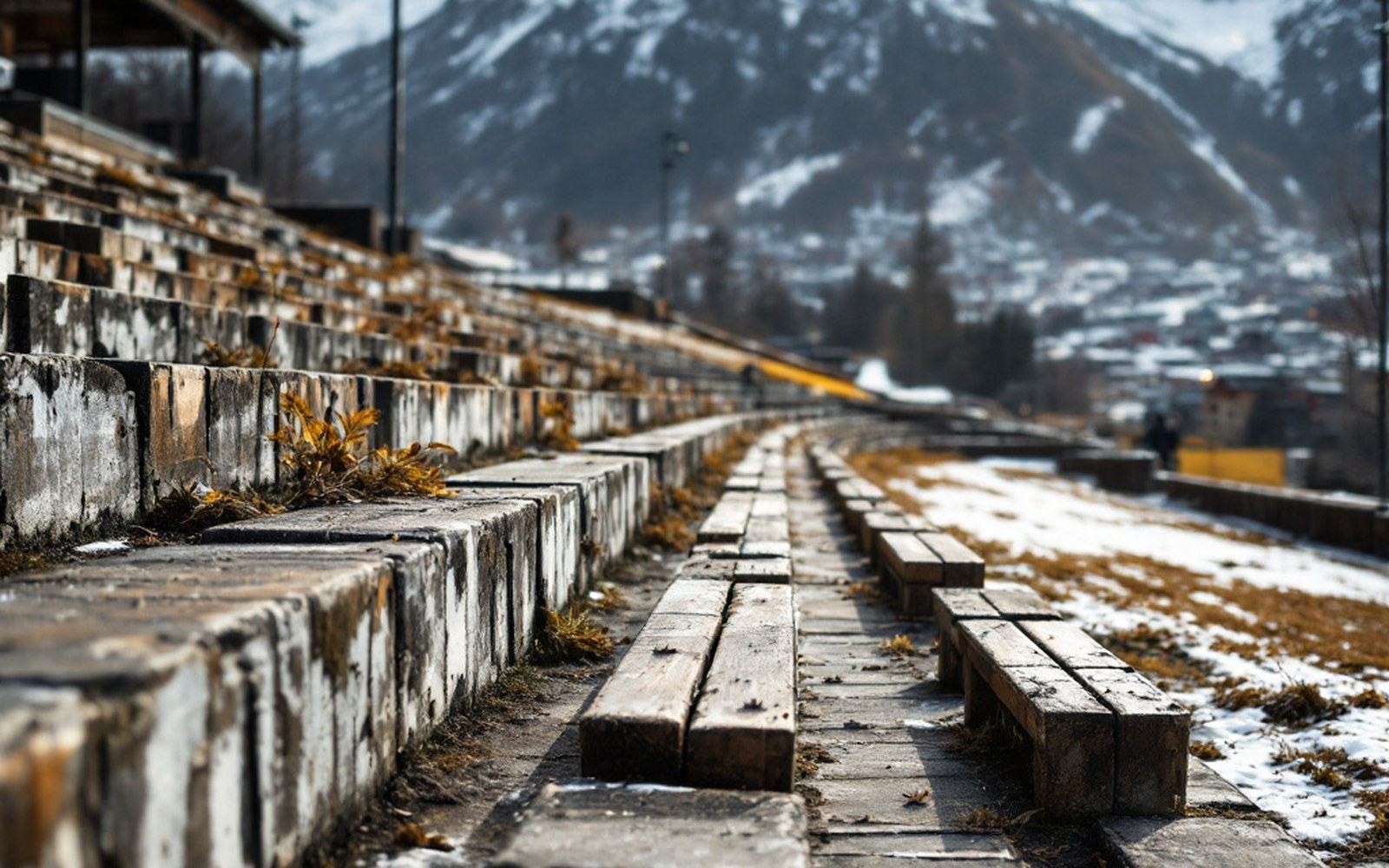
What an artificial surface actually solves
Synthetic turf — the third-generation, rubber-crumb surfaces that were certified for competitive use by FIFA in the early 2000s — does not care about the calendar. FIFA’s Quality Programme for Football Turf sets performance standards that are season-independent: a pitch laid in October plays identically in March, because it is not alive. For a club in a cold-winter republic running on a tight budget, that consistency is significant. A degraded natural pitch in March means a reshuffled training programme, a reduced training load to protect the match surface, or an embarrassing pitch condition when the television cameras arrive for a home fixture.
Spartak’s Spartak Stadium in Nalchik was the venue for their six Premier League seasons, and the state of the surface was a recurring logistical question. The club operated with one of the smaller budgets in the division, which meant every cost line — including pitch maintenance — was scrutinised. Natural grass requires irrigation, fertiliser, aeration, overseeding and rest. Artificial turf requires brushing, infill replenishment and periodic checks of the shock-pad beneath. The second list is cheaper and has no growing-season asterisk attached to it.
The broader context is that several Russian clubs were permitted to install artificial surfaces and use them for competitive matches from the mid-2000s onwards, following changes to Russian Football Union regulations that aligned with FIFA’s certification framework. The debate inside Russian football was not about whether synthetic surfaces played identically to grass — most agreed they did not, the ball bounces slightly higher, the footing is different — but about whether the alternative, a shredded natural pitch in a cold climate, was better. For smaller clubs in northern or highland locations, the answer was frequently that it was not.
The altitude argument and what it does not solve
The altitude of Nalchik — modest by the standards of the mountains immediately to its south, where Mount Elbrus reaches 5,642 metres — is not itself the issue. Growing-degree days, accumulated warmth above a base temperature, determine how quickly turf recovers, and Nalchik’s elevation shaves enough heat from the season to matter on a fixture calendar that runs from March to November. The clubs making the case for synthetic surfaces understood this intuitively; the groundskeepers who lived with the pitches understood it practically.
What an artificial surface does not solve is distance, budget, or the structural difficulty of competing against clubs with five times the wage bill. Those problems remained regardless of what lay underfoot. But a pitch that holds its shape in April, that trains at full intensity on a Tuesday without sacrificing the Saturday surface, removes one variable from a list that was already long. In a republic where everything connected to top-flight football was improvised to some degree, removing even one constraint counted for something.