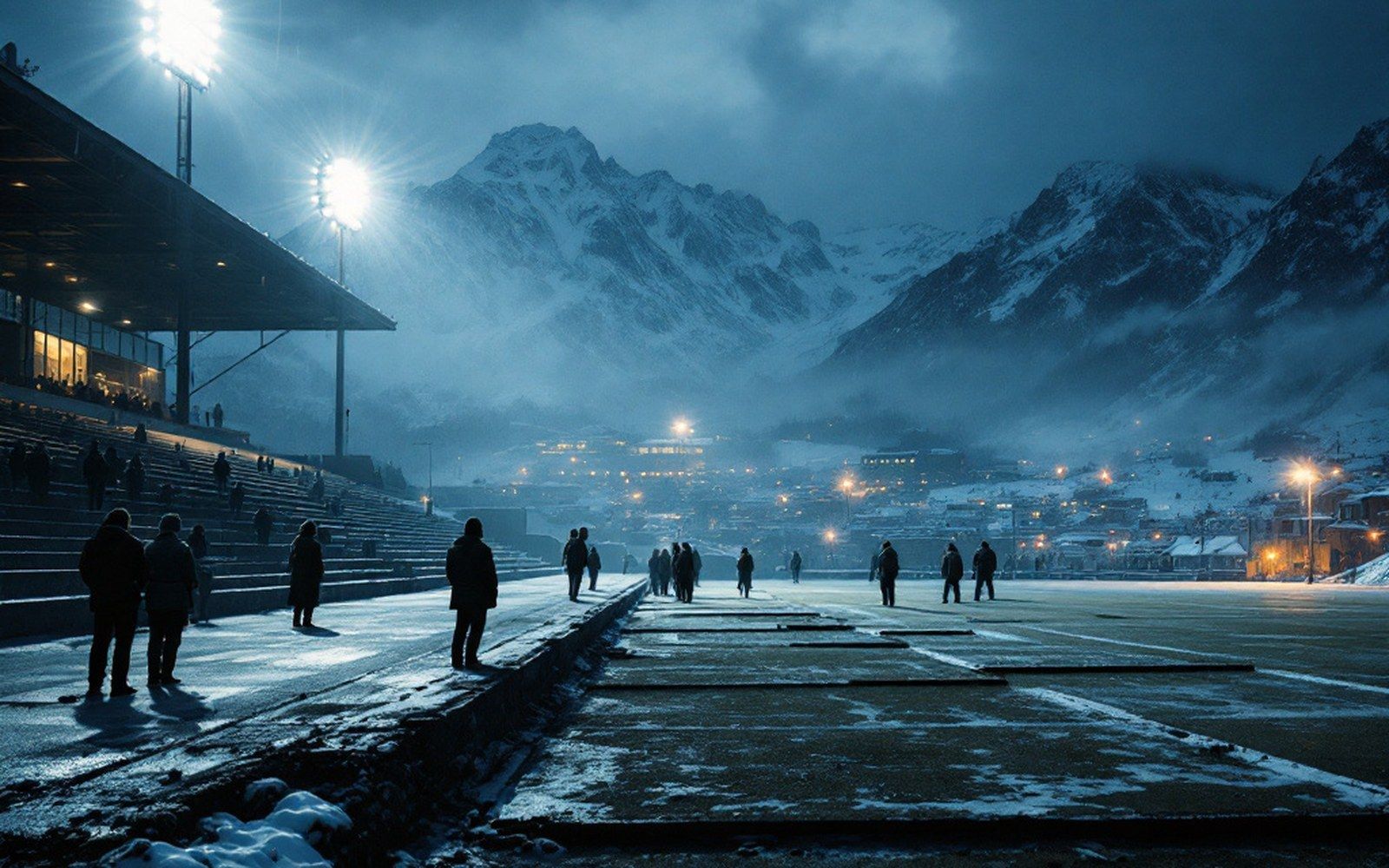
The season stops because the ground does
The Russian Premier League pauses every winter; in Nalchik, winter pauses harder than most.
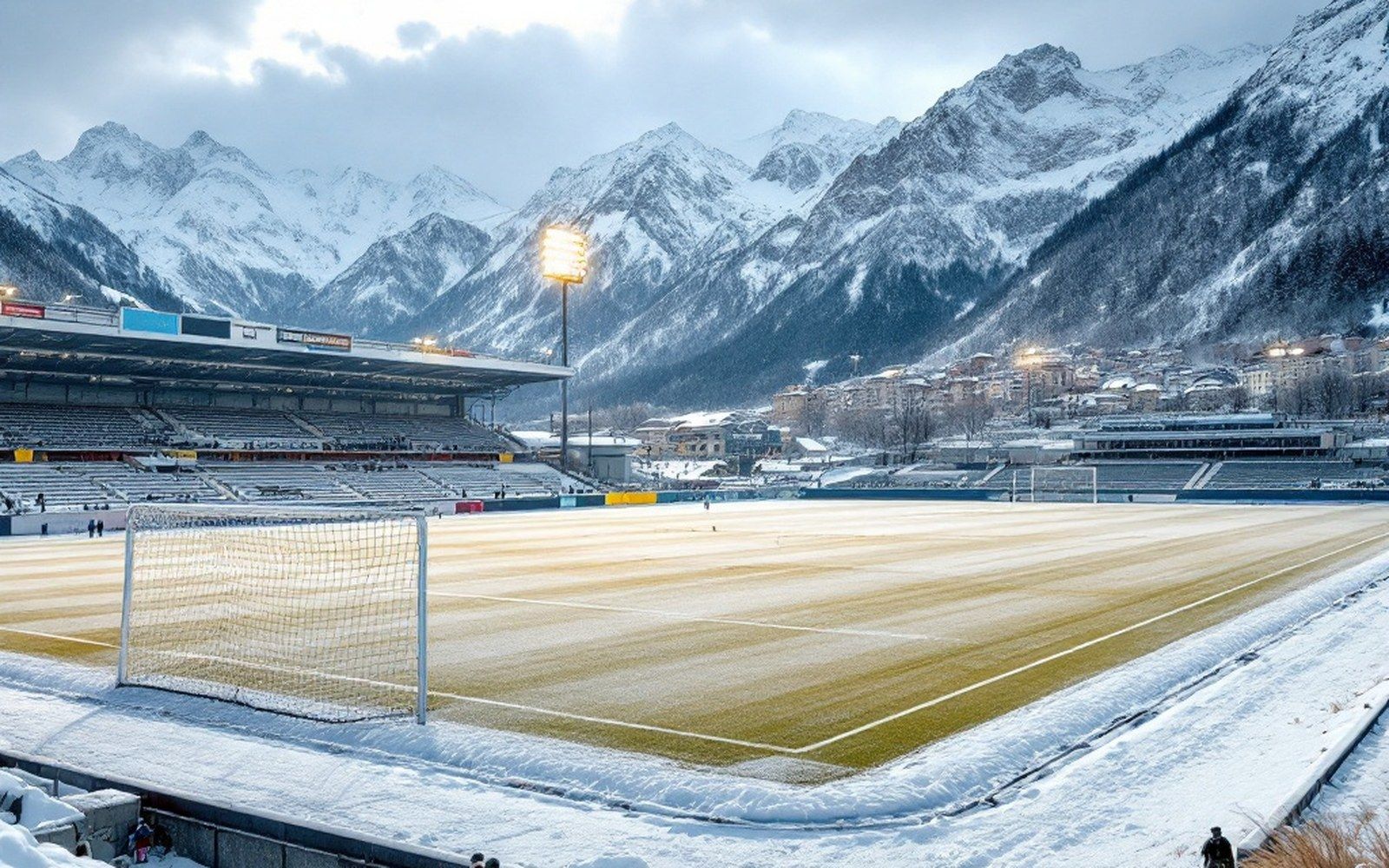
Why a pitch in the mountains idles longer than one in Moscow
The Russian top flight runs a split season — a spring-to-autumn block, a winter break, then a return in spring. On paper the calendar looks the same for every club. On the ground, it is not.
Moscow winters are severe. Nalchik winters sit at the foot of the Caucasus range, at an elevation that keeps frost long after the lowlands have thawed. The pitch at Spartak Stadium sits in a mountain republic where usable training days in January and February are a matter of luck and altitude. When the break ends and other clubs are already working on grass, Nalchik’s groundstaff are still waiting for it.
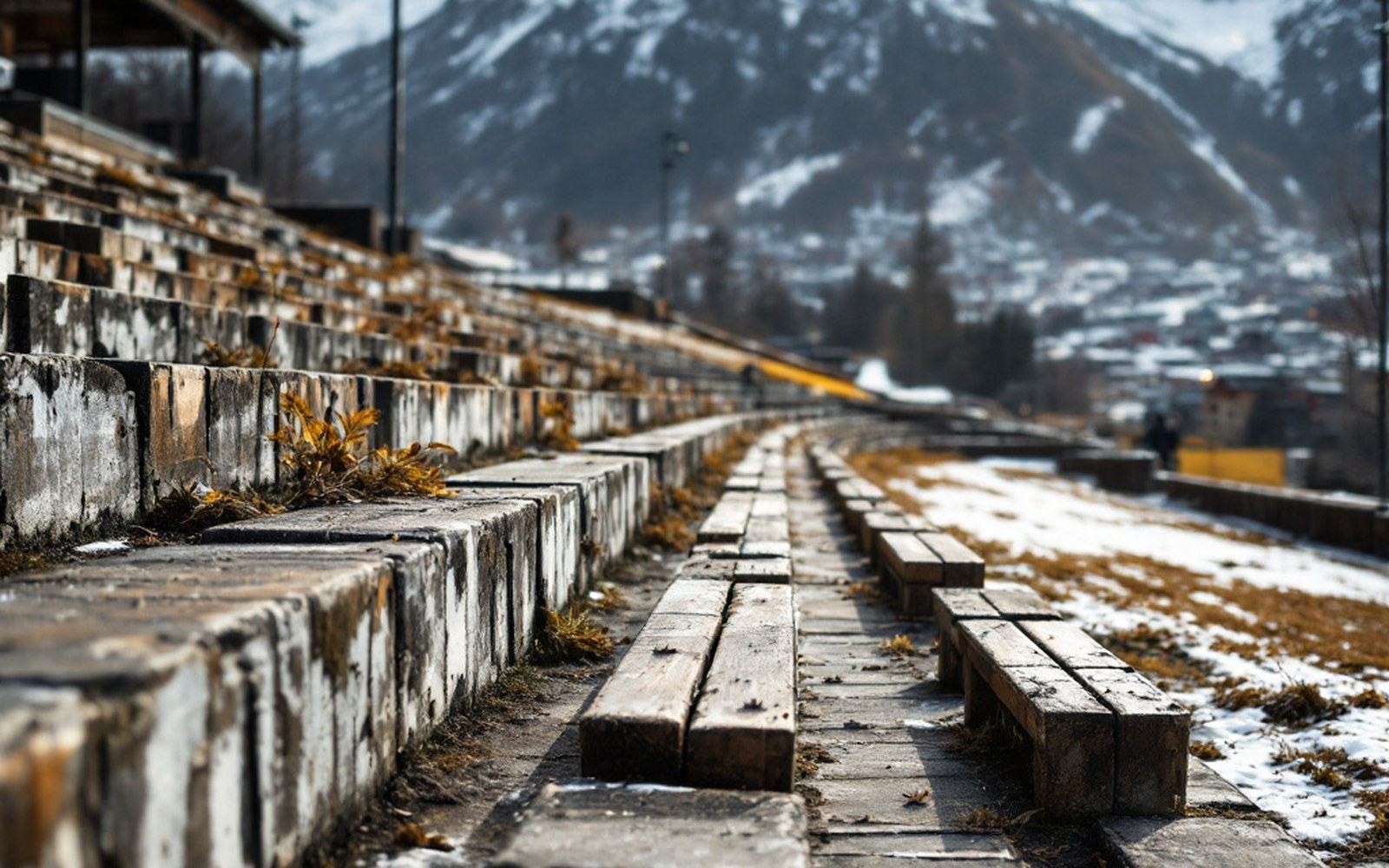
This is not incidental to how a season is managed; it shapes the entire preparation window. Clubs from St Petersburg or Samara can return to their own facilities before the restart. A side from Kabardino-Balkaria budgets more time away, finds warmer venues for pre-season camps, and arrives back at its own ground closer to the opening fixture than anyone would prefer. The training load, the squad cohesion built through winter preparation — all of it is assembled somewhere else, then transported home.
The artificial pitch debate in Russian football was driven partly by exactly this problem. A synthetic surface survives frost in a way that natural grass does not, and northern and mountain clubs made the case that the calendar disadvantaged them structurally, not seasonally. The Russian Premier League was slow to permit artificial pitches at the top level, so the clubs with the most hostile climates carried the cost in lost preparation time while the rule held.
Spartak Nalchik’s six seasons in the Premier League ran from 2006 through 2012, and every pre-season was the same negotiation: where to go, how long to stay, what state the pitch would be in on return. The winter break in Russia has historically run from late November into early March, a window that suits nobody in particular but suits the northern clubs least badly. For Nalchik, that window was not rest — it was logistics.
The calendar is a document written for a temperate federation and applied to a country that runs from the Baltic to the Caspian. A club in the North Caucasus reads it differently from a club in Kazan, which reads it differently from a club in Krasnodar. What the break is called is the same everywhere. What it costs is not.
Reference
The material below is drawn from the same sources as the piece above, set out as a summary rather than as prose.